Disclosures and Context to Check When Distinguishing Sponsored Posts, Affiliate Links, and Direct Recommendations
When searching for product reviews, tools, or recommendations on Korean platforms like Naver Blog, Tistory, or YouTube, shoppers often run into a common dilemma: determining whether a glowing review is a paid advertisement, a commission-generating affiliate link, or a genuine personal purchase.
In online review culture, claims such as “bought with my own money” (내돈내산) are frequently used to build trust. However, unethical influencers sometimes hide corporate sponsorship banners in faint text or fail to disclose affiliate commissions, creating undisclosed paid sponsorships (뒷광고).
This guide explains official sponsorship disclosure regulations in Korea, teaches you how to inspect tracking URLs like Coupang Partners links, and provides a three-step audit process to verify review authenticity.
KFTC sponsorship label rules: Where disclosures must appear on Naver Blogs and YouTube
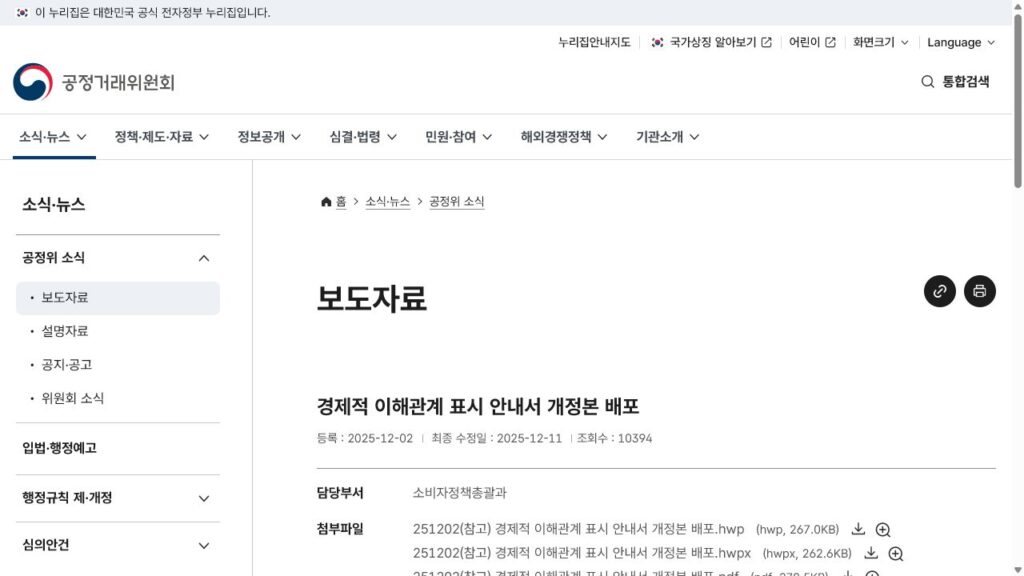
A reviewer’s enthusiasm means very little without clear legal disclosure. To protect consumers, the Korean Fair Trade Commission (KFTC – 공정거래위원회) enforces strict guidelines on how paid endorsements must be displayed.
Mandatory Naver Blog disclosure banners
Under KFTC regulations, bloggers in Korea who receive financial payment, free products, or gift cards in exchange for a review cannot hide their disclosure in faint text at the bottom of the page. The disclosure banner must be placed prominently near the top of the post or immediately adjacent to the product link.
Look for standardized KFTC text banners such as:
- “소정의 원고료를 받아 작성되었습니다” (Written in exchange for a small review fee)
- “제품을 제공받아 작성한 후기입니다” (Review written after receiving product sponsorship)
If a blog post reviews an expensive appliance or cosmetics set without displaying one of these clear text banners, treat the recommendation with caution.
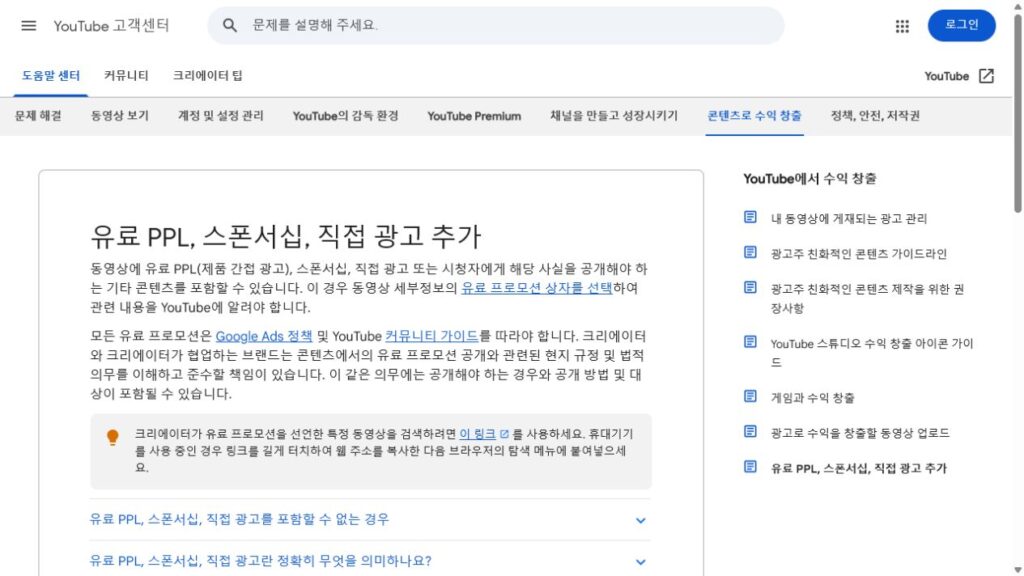
YouTube “Contains paid promotion” tags (유료 광고 포함)
On YouTube Korea, sponsored videos are legally required to activate the official platform overlay tag labeled “Contains paid promotion” (유료 광고 포함). This grey box appears automatically in the top-left corner during the first few seconds of video playback.
2. How to spot Coupang Partners affiliate links and URL tracking codes
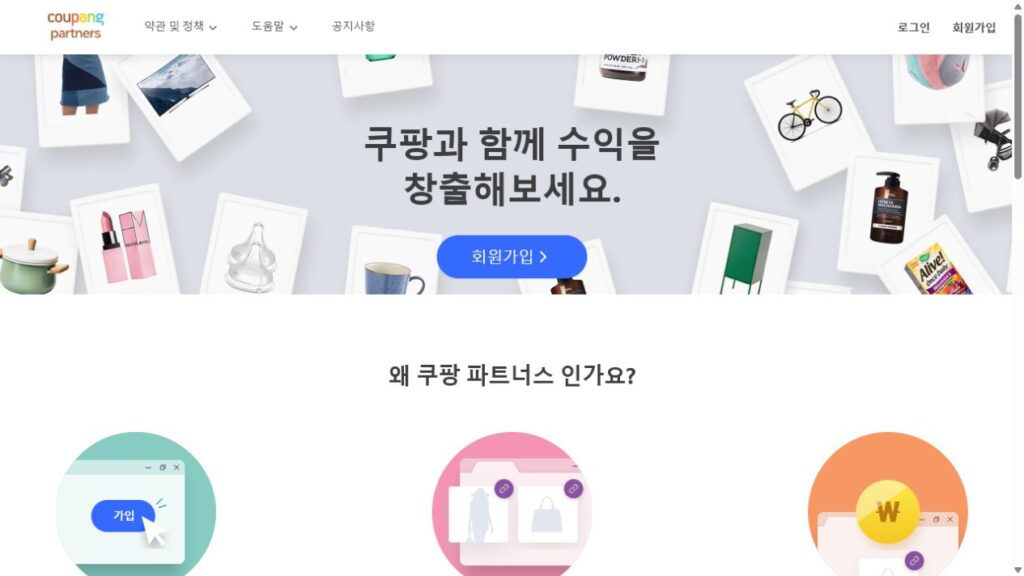
Affiliate links allow reviewers to earn a small commission if you purchase a product through their recommendation. In Korea, the most widespread affiliate program is Coupang Partners (쿠팡 파트너스).
Mandatory commission disclaimers on Korean blogs
By law, any blogger or creator sharing a Coupang Partners link must explicitly display a standardized legal disclaimer:
“이 포스팅은 쿠팡 파트너스 활동의 일환으로, 이에 따른 일정액의 수수료를 제공받습니다.”
(This post is part of Coupang Partners activity, and a small commission is received accordingly.)
If a blogger shares a product link to Coupang without including this exact text disclaimer, they are violating Korean advertising guidelines.
Inspecting tracking codes inside product links
Before clicking a product link, hover your mouse cursor over the hyperlink (or long-press on mobile) to preview the destination URL. Look for specific tracking parameters inside the web address:
- Shortened redirect domains such as link.coupang.com
- URL parameter codes containing utm_source, ref, tag, or affiliate_id
Clicking these links does not increase your purchase price, but knowing the link is an affiliate link helps you evaluate whether the reviewer’s praise is driven by commission incentives.
Authenticity audit: Sponsored posts vs affiliate links vs genuine personal picks
To help you judge trust levels across different review formats, use this comparison audit table:
| Content type | Disclosure label location | URL link behavior | Review tone & drawbacks | Trust level |
| Sponsored post (협찬 / 원고료) | KFTC banner at top or near link | Direct product link or brand portal | Highly promotional; ignores drawbacks | Low to moderate (Paid placement) |
| Affiliate review (쿠팡 파트너스) | Mandatory commission disclaimer | Tracking URL (ref, utm, short link) | Balanced to promotional | Moderate (Earns commission) |
| Genuine pick (내돈내산) | “No sponsorship” claim + receipt proof | Plain store link or no link | Highly balanced; lists real flaws | High (100% independent) |
As shown in the table, the clearest indicator of a genuine personal pick (내돈내산) is a balanced review tone that includes candid real-world drawbacks and setup limitations.
4. 3 steps to verify if a “bought with my own money” review is actually genuine
Scammers and promotional bloggers frequently fake “bought with my own money” claims (내돈내산) to manipulate search rankings. Follow these three steps to audit whether a review is truly independent:
Step 1: Look for balanced negative points
A genuine buyer who spent their own hard-earned money will candidly list minor flaws, pricing concerns, or usage inconveniences. If a review describes a product as 100% perfect without a single criticism, it is almost certainly a sponsored placement despite claiming to be a personal purchase.
Step 2: Inspect receipt proof (영수증 인증)
In Korea, genuine reviewers frequently attach verification screenshots to prove independent purchase. Look for a Naver MyPlace receipt screenshot (네이버 영수증 리뷰) or an order confirmation pop-up displaying the reviewer’s blurred personal payment details.
Step 3: Check the writer’s past review history
Click on the reviewer’s blog profile and scan their recent post history. If the blogger publishes glowing “reviews” for expensive electronics, cosmetics, and restaurants every single day, they are operating a professional promotional blog rather than sharing authentic personal picks.